A richly diverse culture of Gujarat proclaims its heritage in the form of art, tradition and history. The state is home not only to unique food, vibrant festivals and enticing wildlife but also to some activities that have vanished in thin air with passage of time. Some of these prehistoric games played a significant role in the foundation of many modern-day marvels.
Saathmaari (Elephant fighting)
Elephant fighting, notably originating in 1915 in Kolhapur, was a massive sport for the respective rulers of Baroda and Kolhapur states in the 20th century. The two states were actively involved in conducting the tusked beasts to go head on with each other in an arena. The sport was famous between Maharaja Sayajirao Gaikward of Baroda and H.H Shahu Maharaj of Kolhapur who introduced the sport. The players were selected from the masses who specialised as mahouts, bearing the risks and injuries that resulted from the glorious arena battles.
Rural Olympics of Tarnetar
The annual Tarnetar fair is an event dedicated towards celebrating Draupadi’s Swayamwar at the Trineteshwar Mahadev temple near Rajkot within the space of September and October. This festival is estimated to be about two hundred years old which brings together people from different parts of the country.
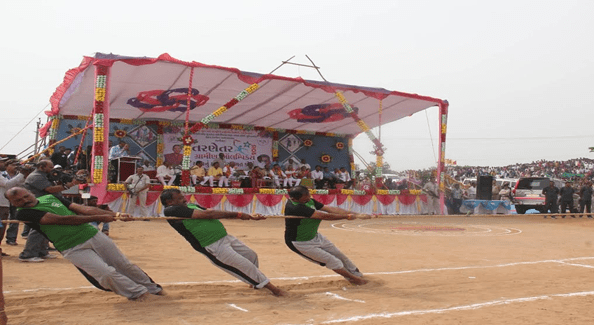
A three-day rural Olympics meet is a part of the celebration which includes events like bullock cart races, wrestling, head matka races, tug-o-war and many more with over three thousand participants.
Asthapada
This board game is traced from the time of Mahabharata via Mahabhasaya (book on Sanskrit grammar) in 2nd century and was played across different regions of ancient India. Although, there are quite a few variants to its name, Chomal Ishto hails to be the one from Gujarat.
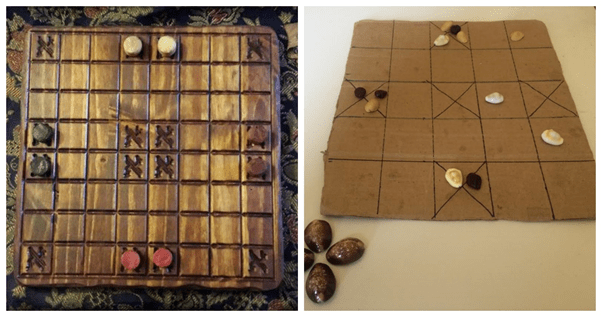
Chomal Ishto is played on a 5×5 chequered board in comparison to the original version played on an 8×8 board. Asthapada is recognised to be the predecessor of Chess because of striking similarities between the two.
Camel racing
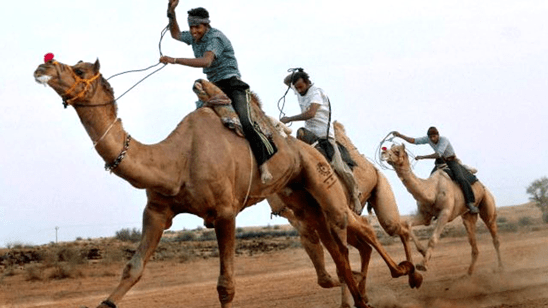
Even though camel racing is a trend inherited from the Arab culture, Gujarat adopted it with ease due to the availability of an endless magnificent white desert of Kutch. This sport lured many accomplished camel racers from Rajasthan in the Siddhpur fair which is renowned for camel trading.
Elephant polo
Polo originated in India during the British rule and after the rise in its popularity, a jungle lodge owner named Jim Edwards came up with the idea of replacing horses with elephants in Nepal. Elephant polo was introduced as a mere recreation activity for the Maharanis at the particular time who were seated on the top of the animal with the help of mahouts.
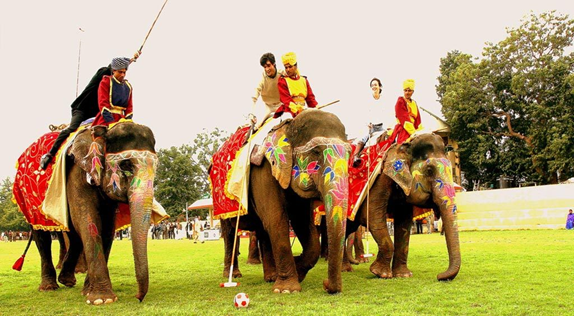
Gradually, this activity made its way through most elite kingdoms in Rajasthan, most dominantly at Jaipur. Esteemed royals of Gujarat also adopted the game knowing less about the decline it would have faced.
Ganjifa cards
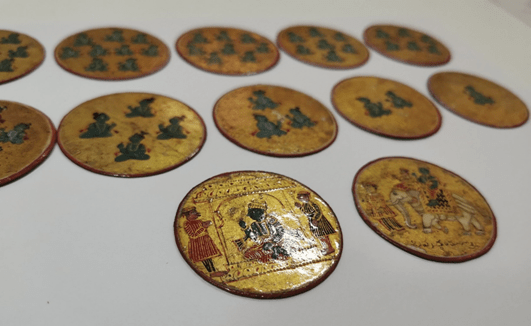
During the medieval period of 16th century, Rajputana played ganjifa cards that were painted or sewn in different shapes and colours. They depicted characters from Ramayana, Mahabharata and even symbols of animals to represent ranks and a structure of hierarchy. The game had different variants played individually as well as in pairs by the royals, customising the cards to their preference. More suits resulted in more cards and more cards in wins, eventually in favour of those who bet on winning decks from the start.
This list of obscure games is evidence of Gujarat’s participation in manifesting fractions of historical events that have contributed towards the nourishment of national heritage.

 SportyCorner