The evolution of rock climbing has allowed it to flourish as a sport with the introduction of new indoor events in the course of its history. Mark Tolver is an instructor at the Foundry climbing centre in Sheffield which was opened in 1991. He has been in this business for twenty years and expects climbers from the United Kingdom to reach new heights in Tokyo where three climbing events will take place for the first time in summer Olympics.
“Sheffield has always been the climbing capital of the UK and Foundry was the first commercial wall opened in the UK,” informed Tolver.
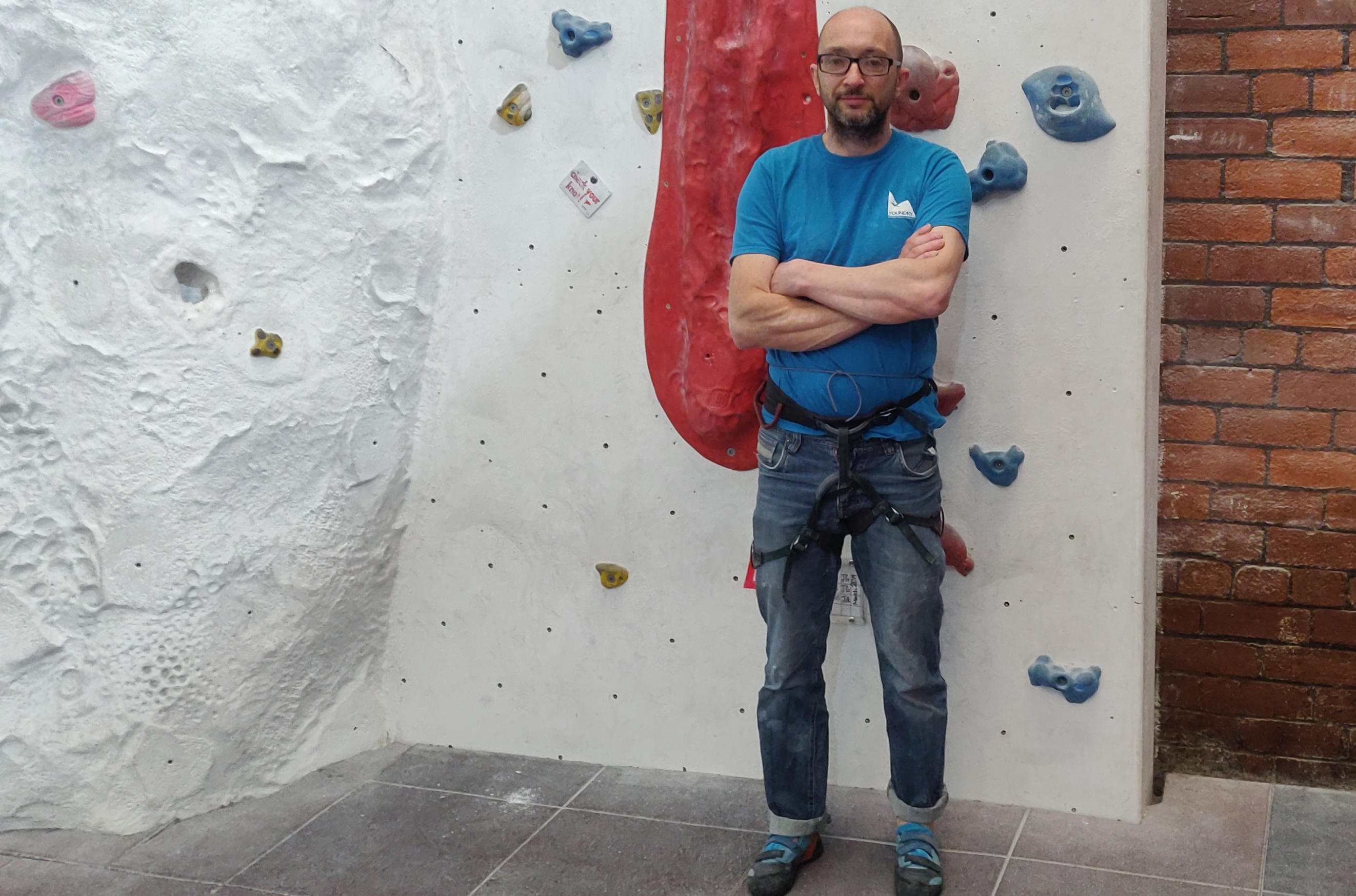
The Foundry is a place for people of all age categories. It accommodates young children who are keen on polishing their climbing skills and offer a variety of indoor and outdoor courses for everyone. The centre also runs all-day sessions for people trying to discover their feet in climbing.
“There is a lot more to climbing than just physical strength. One requires technique, kinesthetics’ awareness and coordination. Climbing helps people tackle their fears and improves their puzzle-solving abilities.”
Shauna Coxsey has made a name for herself after winning the bouldering World Cup in 2016 and 2017. She is known as the greatest competition climber for Britain following her astonishing feats in the recent European and World championships.
“Our sport has been growing for a while now, with more and more people participating. The hope is the Olympics is going to have a massive impact. I used to watch the athletics and swimming in the Games as a kid, and I never dreamt I could one day be going too,” Coxsey told The Telegraph.
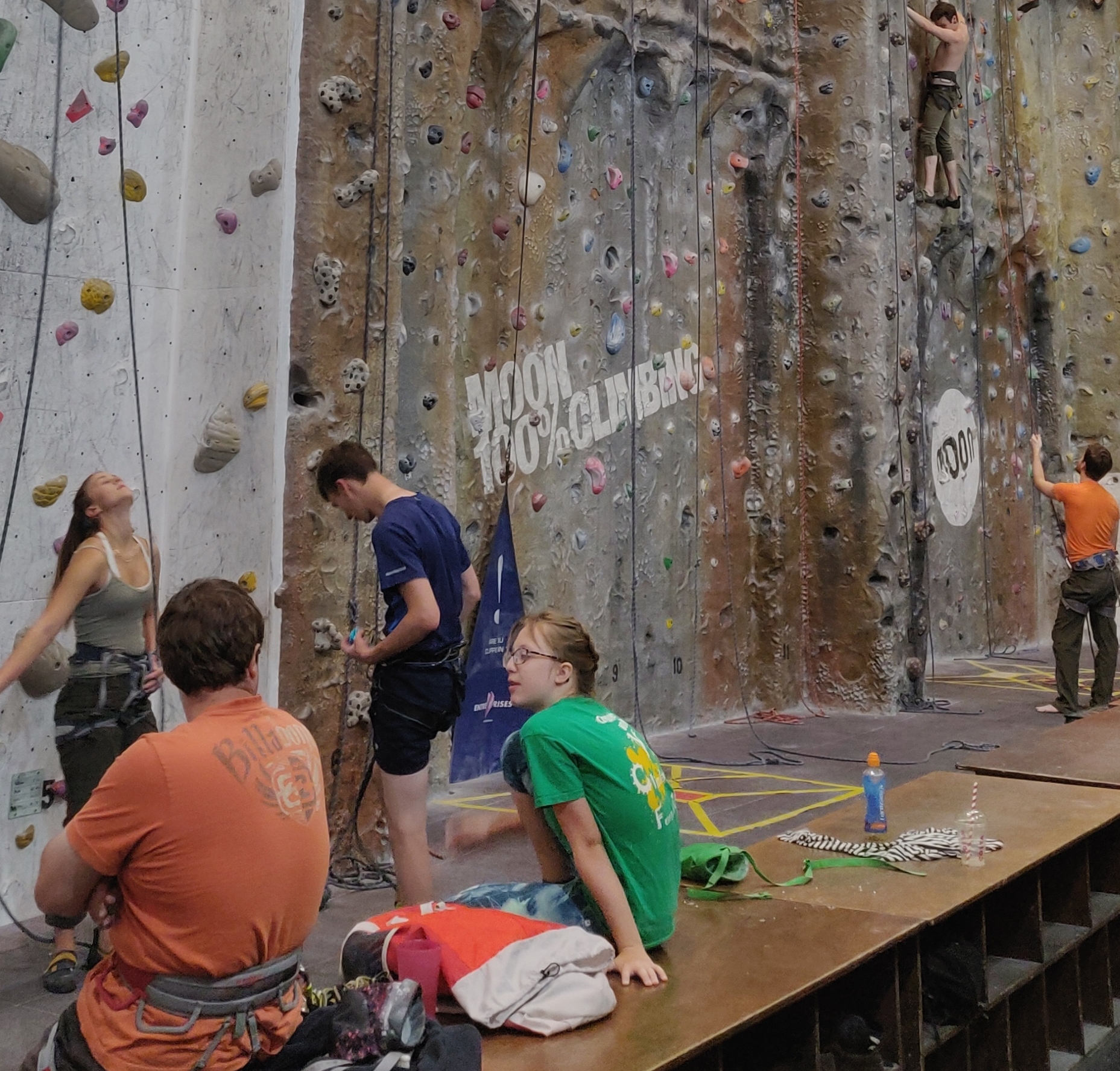
Coxsey started her journey as a four-year-old, eager to find her way into the climbing world. Many believed that she was not tall enough to climb the artificial walls, but her passion drove her to be one of the best.
“It is a good step for mountaineering because of which most people nowadays get into climbing. Before climbing walls started, people got out on the local cracks in the Peak District,” emphasised Tolver.
Bouldering is a form of rock climbing that does not involve any ropes or equipment. It is practised on boulders which are small rocks that may be indoor or outdoor. Once the art of bouldering is mastered, lead climbing comes in the play where a party of climbers follow a lead climber who ascends with a rope that passes through random anchors. This type of climbing involves high risk due to a high fall factor.
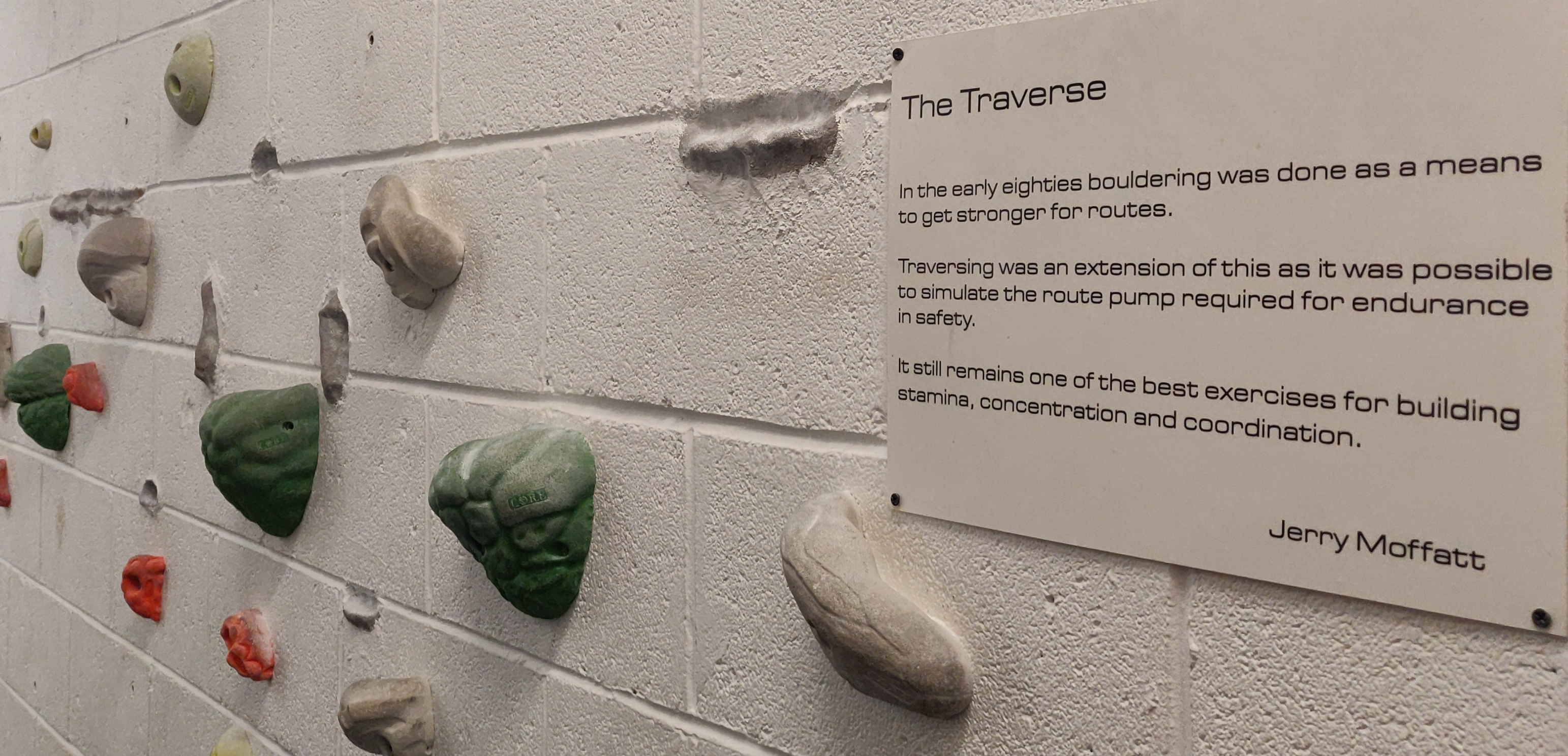
“The beginner’s courses are focussed on safety that includes tutorials about tying different knots properly. They do graduate towards bouldering and leading after completing four sessions of the beginner’s course.”
Austrian professional climber Angela Either made history in 2017 after climbing one of the toughest ascents in the world. She is the first woman to conquer the La Planta de Shiva in Spain after training rigorously to climb the peak for two years without any assistance.
“The biggest difference that probably has been there are more women climbing these days. Earlier there were only about 10% of them participating, but now it is close to 40% which is a good improvement,” highlighted Tolver.

Steve McClure is one of the best rock climbers in the UK. He often visits the Foundry to practise his skills and keep in shape for his incredible adventures.
“A variety of things are required for one to be a good climber to which there are two sides. Physical strength and endurance are one whereas balance and flexibility contribute to the other.”
“It will be interesting to see where the future of climbing lies after the Olympics next year,” said Tolver on the climbing events at summer Olympics. A lot of climbing walls are expected to be filled in the UK as the sport strives to gain more popularity with its introduction to the Olympics.
Coxsey will pilot the charge for team Great Britain in the 2020 Tokyo Olympics where indoor bouldering and lead climbing events will look to steal the show.

 SportyCorner